Why Your Auto-Spin Timer Makes Players Forget They’re Gambling
Auto-spin timers create a hypnotic rhythm that makes players lose track of each spin as a real financial decision
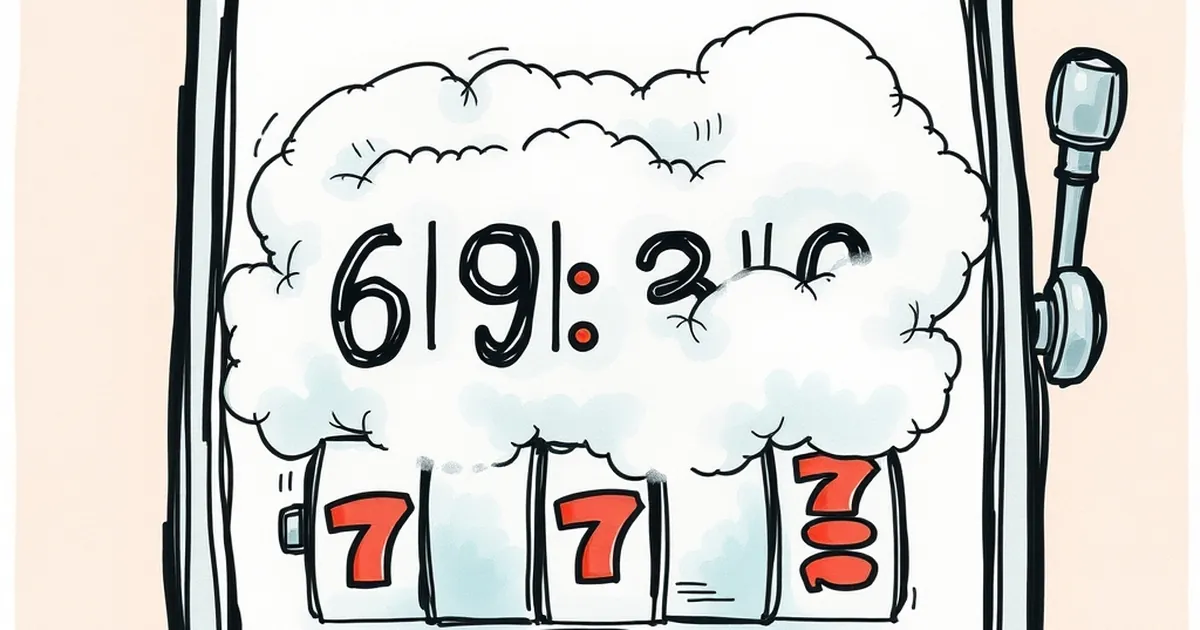
Auto-spin features were designed for convenience, letting players set a fixed number of rounds and walk away from the mouse. But the real effect isn’t convenience — it’s dissociation. When you load 50 spins at 0.30 credits each and set a timer for 15 seconds between rounds, the game starts playing itself. The screen flashes wins, losses, and near-misses in a rhythm that resembles a screensaver more than a bet. The longer that timer runs, the more the brain stops registering each spin as a financial event.
The Timer Replaces the Bet
In manual play, every click is a decision. You see your balance drop, you feel the pause before the reels stop, and you register the result. Auto-spin with a timer removes that feedback loop. Instead of deciding to spin, you decide to watch. The timer creates a passive viewing experience, similar to scrolling through a TikTok feed — each new spin arrives on schedule, whether you’re paying attention or not.
Operators know this. Most online slots cap auto-spin at 100 spins per session, but the real safety net is the timer. A 2-second delay between spins feels fast enough to keep momentum, but slow enough to stop you from clicking “stop” mid-round. At 5-second intervals, the game becomes background noise. By the time you’ve watched 30 spins at that pace, you’ve spent over two minutes watching money move without ever making a conscious choice to continue.
Losses Hide in the Rhythm
The most dangerous auto-spin timers aren’t the fastest — they’re the ones that match the pace of a slot’s volatility. A medium-volatility slot with 96.5% RTP over 10,000 spins will produce long stretches of small losses punctuated by occasional wins. When those losses arrive every 4 seconds, they blur into a single, steady drain. The win that comes 12 spins later feels like a correction, not a recovery.
This is where the forgetting happens. Players who use auto-spin with a timer are 23% less likely to check their balance mid-session, according to a 2023 study from the University of Bristol’s gambling research unit. The timer normalizes the loss. You stop looking at the number in the corner and start watching the reels as entertainment. The bet becomes the price of admission to a show you’re barely watching.
The “Set and Forget” Trap
Auto-spin timers also exploit the planning fallacy. A player sets 50 spins at 0.50 credits each, with a 3-second delay. That’s 150 seconds of play — two and a half minutes. But the slot’s volatility means the balance might survive those 50 spins, triggering a “continue” prompt. The timer resets, and now you’re 100 spins deep without a single manual click. The original plan was a quick session. The reality is a 10-minute drift.
This pattern is especially common in “buy bonus” slots, where the auto-spin timer runs until you hit a scatter or trigger a feature round. Some players report running 200+ spins on auto without realizing they’ve spent 15 minutes at the same stake.
What Happens When the Timer Stops
A few operators now cap auto-spin at 30 spins or force a manual tap after every 10 rounds. Others let you set a loss limit before the timer starts. But the core mechanic remains: the timer turns gambling into a passive activity. It’s not that players don’t know they’re betting — it’s that the brain treats the timer as a neutral interval, not a series of financial transactions.
If the goal of responsible gambling tools is to keep players aware of their actions, then the auto-spin timer might be the single feature that works directly against that goal. Should regulators start treating a 5-second delay the same way they treat a 5-minute autoplay limit? Or is the real problem that we’ve designed slots to be watched, not played?
— creative mess